Competence Center
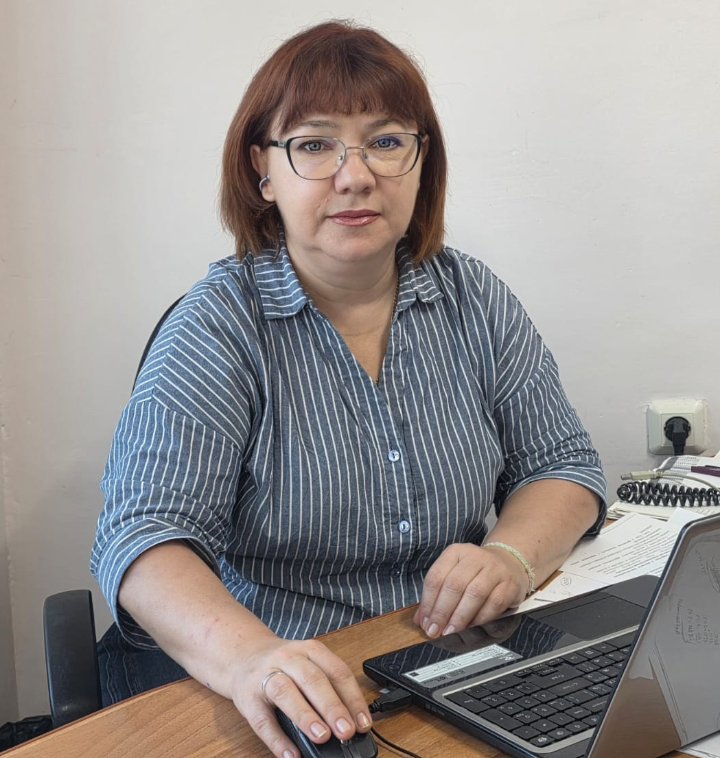
Nikulina Oksana Yurievna
Head of the Competence Center
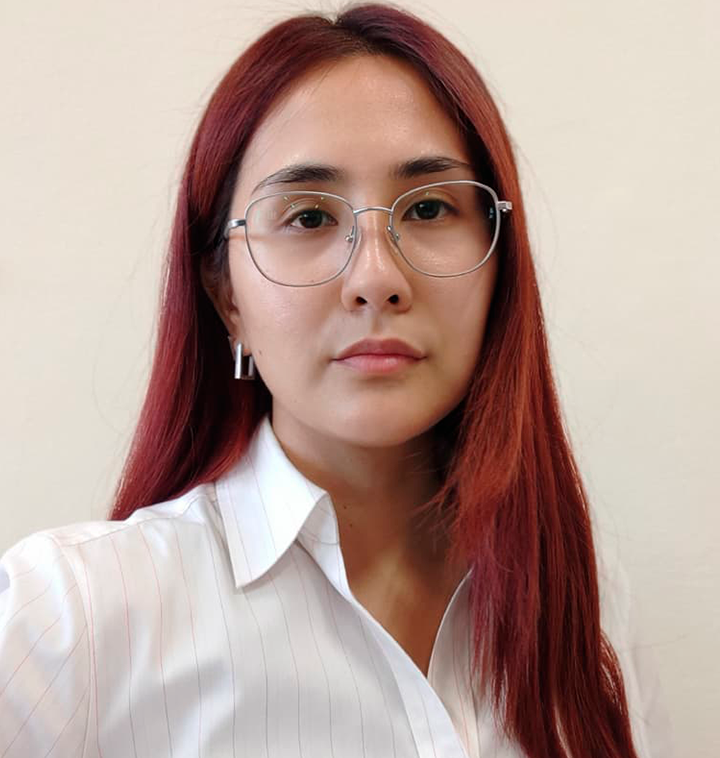
Abildinova Kamila Muratovna
Specialist of the competence Center
The Competence Center is a structural unit of the Kostanay Socio-Technical University named after Academician Zulkharnai Aldamzhar” and carries out its activities on the basis of the University’s Charter and Regulations on the Center.
THE MAIN TASKS OF THE DEPARTMENT
To achieve its goals, the Center addresses the following tasks:
- Developing and implementing additional education programs for adults, taking into account the needs of the regional and national labor market;
- Ensuring professional development, retraining, and the formation of sector‑specific competencies among citizens who are employed or planning to find employment in various sectors of the economy;
- Implementing educational programs for elderly citizens aimed at their adaptation, personal development, and active participation in public life;
- Introducing modern learning formats, including short‑term courses, micro‑qualifications, distance learning, and hybrid programs.
- The use of digital platforms and tools for monitoring needs, diagnosing, confirming, and certifying professional competencies;
- Interaction with employers, industry associations, qualification assessment centers, and government bodies to coordinate the content of programs and recognize learning outcomes;
- Implementation of joint programs and projects with organizations from the fields of education, business, science, and social support to expand educational opportunities for the adult population;
- Conducting analysis, research, and collecting feedback on the results of educational program implementation to regularly update the content and improve their effectiveness.
DEPARTMENT FUNCTIONS
To address the task, the Center performs the following functions:
- Development and organization of the educational process:
− development and updating of additional education programs taking into account the requirements of the labor market and industry standards;
− organization of the educational process, including recruitment, registration, and support of students;
− привлечение qualified teachers, trainers, and experts from industry and business;
− implementation and support of distance and hybrid learning formats using digital platforms;
− ensuring the issuance of documents confirming the completion of programs and the acquisition of competencies.
- Quality management and monitoring of performance:
− development and implementation of internal quality assessment systems for educational programs;
− collection and analysis of feedback from students and partners;
− monitoring the demand for competencies and adapting programs in line with changes in the labor market;
− preparation of regular reports and analytical materials on activities;
− coordination of certification and competency validation processes.
- Interaction and development of partnerships:
− establishing and developing cooperation with enterprises, industry associations, and government bodies;
− participation in national and international projects, initiatives, and grant programs.
− creating and supporting expert communities and professional networks;
− organizing joint events (seminars, conferences, master classes) to improve qualifications and exchange experience;
− attracting funding from various sources.
STRUCTURE
The center is headed by the center’s head, who reports directly to the vice‑rector for academic affairs.
After the department’s structure has been approved, the adopted changes are recorded in this Regulation and approved by order.
Department employees are appointed to and dismissed from their positions by order of the Rector, based on the recommendation of their immediate supervisor.
RIGHTS OF THE DIVISION
The rights granted to the department are exercised by the head of the center, as well as by the department’s employees, in accordance with the job descriptions and the distribution of responsibilities established.
The head of the Center is granted the following rights:
- To make decisions or participate in their preparation on issues that fall within his functional responsibilities.
To sign and endorse documents, draft orders, and instructions within the scope of his functional responsibilities, as well as those that affect their implementation. - To interact with the heads of the University’s structural units and to receive from them the information and documents necessary to carry out his job duties.
- Submit decisions regarding the appointment, transfer, and dismissal of employees under his supervision for the approval of the University’s rector. Submit proposals for the rector’s consideration regarding their promotion or imposition of disciplinary measures.
- Manage the allocated human, material, and financial resources.
- Request assistance from the University’s management in fulfilling his official duties and exercising his rights.
Submit proposals for the rector’s consideration regarding ways to enhance the university’s competitiveness. - In agreement with the vice‑rector for academic affairs, experts and specialists from external organizations may be engaged to provide consultations, prepare conclusions, recommendations, and proposals.
DEPARTMENT RESPONSIBILITY
- The Head of the Center is responsible for the failure or improper performance by the department of the tasks and functions assigned to it, as provided for in this Regulation.
The Head of the Center is responsible for: - The full exercise of the rights granted to the department, which as a result led to the department’s failure to perform the tasks assigned to it or to causing damage to the University.
- Timely and high‑quality implementation of plans.
- Providing unreliable information on issues within its functional responsibilities.
- Ensuring the safety of property located in the department and compliance with fire safety rules.
- Compliance with the current legislation for the draft agreements, orders, instructions, regulations, resolutions, and other documents that he approves (signs).
- Rational use of labor, material, financial, and technical resources.
- The head of the Center is held accountable for committing offenses in the course of his activities in accordance with the procedure established by labor, administrative, and criminal legislation.
- The individual (personal) responsibility of the department’s employees is established by their job descriptions.
Priority areas of the Center’s work for the 2026–2027 academic year
Organizational, methodological, and regulatory support for the activities
- The formation and updating of a unified register of programs for additional and informal education.
- The creation of a set of working forms, organizational and methodological materials, and standards for the development, approval, and implementation of courses.
- The formation of a database of internal and external experts, teachers, trainers, and business practitioners for conducting training.
Monitoring the labor market and identifying in‑demand competencies
- A study of employers’ needs and the regional labor market in the Kostanay region to identify дефицитные professional and supra‑professional (soft skills) skills.
- Regular collection of proposals from the university’s departments and faculties for the creation of new, relevant programs.
- Adjustment and updating of the list of priority competencies based on feedback from partner enterprises.
Development and implementation of supplementary and informal education programs
- Launching short-term courses, micro-qualification programs, and certification programs with confirmation of specific learning outcomes.
- Expanding the reach of the population through educational programs for various categories of adults, including programs for elderly citizens (socialization and active longevity).
- Providing a full cycle of support for students: from recruitment and registration to the issuance of supporting documents/certificates.
Developing digital competencies and modern learning formats
- Training students in the use of artificial intelligence (AI) tools, data analysis, and modern digital technologies.
- Implementing hybrid and distance learning formats, as well as integrating massive open online courses (MOOCs) into educational trajectories.
- Creating and updating the Center’s electronic bank of digital educational materials.
Diagnosis, assessment, and certification of competencies
- Development of methodological tools for initial and final diagnostics of the level of knowledge and identification of professional deficits among students.
- Identification of measurable indicators and criteria for assessing learning outcomes.
- Development of mechanisms for external assessment, validation, and recognition of the results of non‑formal education with the participation of employers and professional communities.
Expanding the partner network and attracting employers
- The formation and systematic updating of a database of employers, industry associations, and government bodies.
- Engaging practicing specialists in program design, conducting classes, and assessing competencies.
- Joint participation in project, grant, and social initiatives at the regional and national levels.
Expert and educational activities and information promotion
- Regularly conducting master classes, training sessions, intensives, and open lectures (at least one key event per quarter).
- Organizing roundtable discussions and expert meetings with employers to discuss the requirements for specialists (at least two per year).
- Increasing the brand awareness of the Center through active information support in the media space.
Quality management and performance monitoring
- Implementing a continuous feedback system from participants to assess the quality of the courses offered.
- Quarterly monitoring of key indicators (number of trainees, number of certificates issued, volume of developed programs).
- Systematic analysis of the demand for programs to ensure their timely updating or replacement.